6 Ways to Identify When Your Pavement Needs Slurry Seal
Pavement maintenance is an important part of protecting your property’s value and safety. Over time, surfaces like driveways and parking lots naturally degrade due to weather, traffic, and other environmental factors.
Paying attention to the condition of your pavement can help you address issues early on, saving you from more extensive and costly repairs later.
The Basics of Slurry Seal
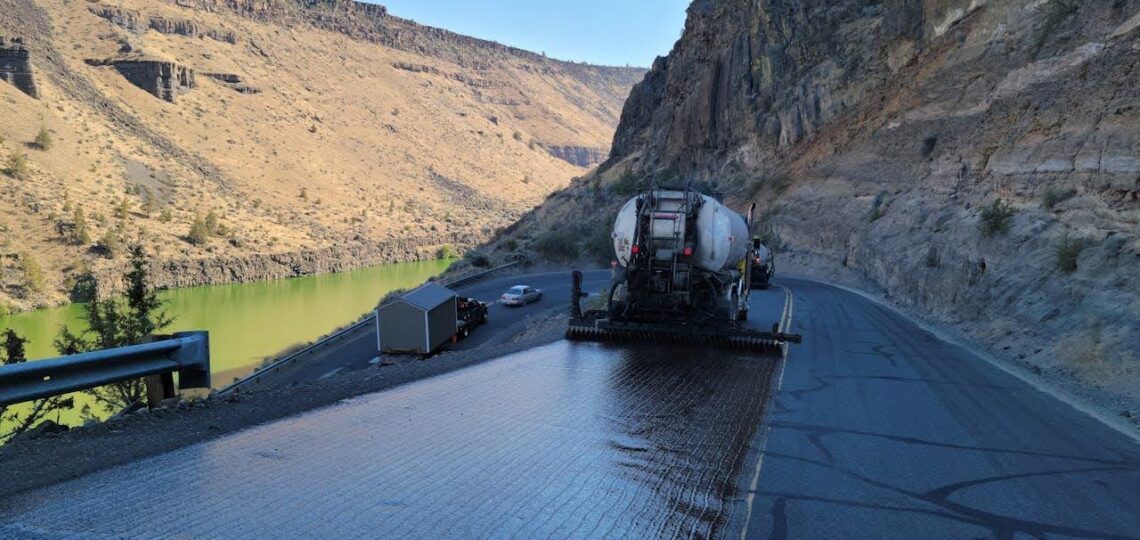
A slurry seal is a protective treatment for asphalt surfaces. It is a mixture of water, asphalt emulsion, fine aggregates, and additives, applied as a thin coat over existing pavement. This application is designed to fill small cracks, restore a uniform black finish, and protect the surface from the elements.
Knowing when to apply it is crucial for extending the life of your pavement. One of its main purposes is to correct minor surface imperfections and prevent them from worsening.
Recognize Early Signs of Pavement Distress
One of the first things you might notice is a change in the color of your asphalt. Fresh asphalt has a deep, rich black color, but over time, it fades to gray due to oxidation from the sun’s UV rays. This color change indicates that the asphalt binder is beginning to break down.
Faded pavement is more than just a cosmetic issue; it’s a signal that the surface is becoming brittle and losing its flexibility, making it more susceptible to cracking and other forms of damage.
Evaluate the Severity of Cracks
Small cracks on your pavement surface can quickly grow into larger problems if left untreated. Look for hairline or spiderweb-like cracks, often called alligator cracking. These are early warnings that water is penetrating the surface and weakening the base layer.
The amount and type of traffic your pavement receives can accelerate this process. Areas with heavy vehicles or high traffic volumes will likely show these signs sooner. Addressing these cracks promptly is essential to prevent more significant structural damage.
Assess Pavement Texture and Friction
A smooth, uniform texture is a sign of healthy pavement. As asphalt ages, its surface can become rough or uneven. You might feel a change in texture when walking or driving over it.
This loss of texture also reduces surface friction, which can become a safety hazard, especially in wet conditions when vehicles need more grip to stop safely. A fresh surface treatment can restore the necessary texture and improve overall safety.
Check for Aggregate Loss and Raveling
Raveling occurs when the fine aggregate particles in the asphalt mix begin to loosen and break away from the surface. You may see loose gravel or sand collecting in low spots or along the edges of your pavement.
This condition gives the surface a rough, pockmarked appearance and signals that the asphalt binder is no longer holding the aggregate together effectively. Environmental factors like frequent rain or freeze-thaw cycles can worsen raveling.
Investigate Drainage Issues
Water is one of the biggest threats to asphalt pavement. Pay attention to how water behaves on the surface after it rains. If you see puddles forming in certain areas, it could mean the pavement has developed low spots or depressions.
Poor drainage allows water to sit on the surface for extended periods, seeping into the pavement and weakening its foundation. These issues should be corrected to prevent the underlying structure from failing.