Explanation of What is Hazardous Waste and How Their Transportation Works
Businesses use a process called hazardous waste transportation to move dangerous waste safely from their space to a proper disposal facility. The major reason for this is to prevent harm to people, animals, and the environment. Each step in this process plays its part to ensure the waste is handled correctly and no accidents happen.
Following is the clear explanation of what hazardous waste is and how its transportation process works.
What Is Hazardous Waste?
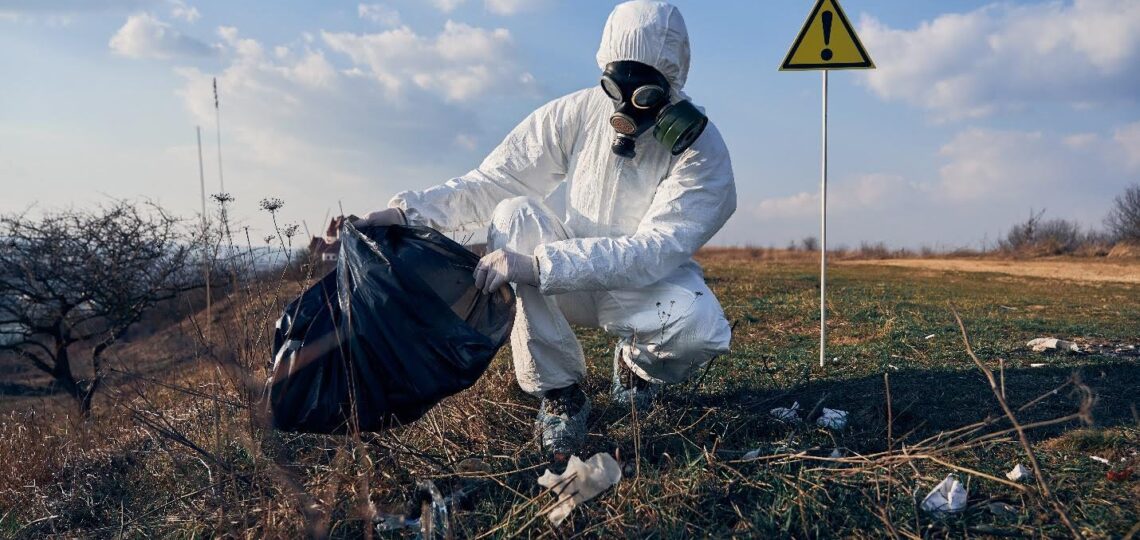
Hazardous waste is described as any waste that can be dangerous to human health or the environment. It can be toxic, flammable, or corrosive. Common hazardous waste may include chemical leftovers, cleaning products, batteries, and industrial waste.
If these materials are handled correctly, they can cause harm, that is why it cannot be thrown in normal trash bins. Businesses must follow rules for moving this waste to keep everyone safe.
Waste Collection
The first step in the transportation of hazardous waste is the collection. The waste is collected from different areas such as labs, workshops, storage rooms, or production areas. This step is done carefully to avoid spills, or leaks. Workers performing this task are required to use gloves.
This also includes separating the waste into different types while following safety rules. This is important because different waste types need different handling.
Proper Packaging
After collection, the waste is carefully placed into strong and approved containers. These containers are especially designed to hold hazardous materials safely. These are usually sealed tightly to prevent leaks during transportation.
This is an important part of commercial hazardous waste transportation because the right packaging prevents leaks and keeps the waste safe during the journey.
Clear Labeling
Labeling is another very important step. This step involves labelling containers to show what type of waste is present inside. Clear labels help the transport team and handlers know how to move the waste safely. They also help emergency teams know what to do if there is an accident.
Labeling the containers usually includes adding information such as the name of the waste, warnings, and handling instructions. Clear labeling reduces the risk of mistakes during loading.
Loading of the Waste Material
Once the waste is packaged and labeled, it is loaded into the transport vehicle. This step must be done while following safety rules to ensure the safe loading. This is important to ensure the containers do not move, tip over, or get damaged during the trip.
The transport team performs the final checks before leaving the site. This helps them confirm if the containers are placed in a secure position. They may also use barriers for extra safety.
Delivery to Disposal Site
After the loading, the transport team takes the waste to its disposal site. When the vehicle reaches the destination, the waste is unloaded carefully. The waste is then delivered to a facility that is approved to handle hazardous waste.
These facilities have trained staff and special equipment to treat the waste material properly. The waste may be treated, recycled, or disposed of depending on its type.